
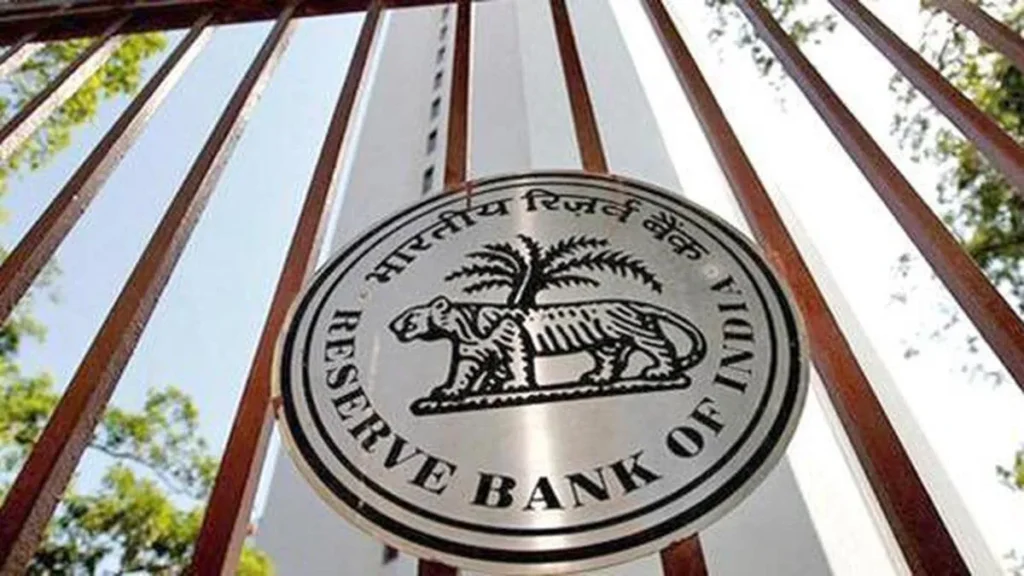
India’s inflation stayed below the RBI’s 4% target for 16 straight months. In July 2026, it didn’t – printing 4.45%.
Yet the central bank held rates and called the move neither dovish nor hawkish. Here’s what the data actually says.
The headlines write themselves: inflation is back above target, and the Reserve Bank of India has paused. Read together, they sound like a warning. The numbers underneath tell a more disciplined story — of a supply-driven price bump, an economy still growing among the fastest of the major nations, and a central bank deliberately keeping its options open. For anyone allocating capital, the gap between the headline and the composition is where the real signal lives.
Insight 1: The inflation is real, but it is narrow.
Consumer price inflation rose to 4.4% in June and 4.45% in July 2026, ending sixteen consecutive months below the RBI’s 4% target. Almost all of that increase came from two sources: food and fuel.
The food price index climbed steadily through the summer — 4.20% in April, 4.78% in May, 5.32% in June and 5.52% in July (CPI data cited by Mint). Fuel inflation added pressure after a retail price revision following a spike in international energy costs, with second-round effects appearing in categories such as restaurant charges (RBI Monetary Policy Statement, 5 August 2026).
What did not move is the more telling data point. Core inflation — stripping out volatile food and fuel — held unchanged at 3.9% across May and June. Exclude precious metals, whose prices have been lifted by a global gold and silver surge, and underlying core inflation sits in a 2.1–2.5% range (RBI MPC resolution and Governor’s remarks). In short, the economy is not overheating. Prices are rising because of identifiable supply shocks, not because demand is outstripping capacity – a distinction that shapes everything a central bank does next.
Insight 2: Growth is resilient, and the risks are balanced.
The RBI projects real GDP growth of 6.7% for 2026-27, with a quarterly path of 7.0%, 6.4%, 6.5% and 6.8%, and 7.3% penciled in for the first quarter of 2027-28. The Committee called the risks around this forecast evenly balanced, and the Governor noted the fan chart leaves room for growth to come in at 7% or higher (RBI MPC resolution and post-policy press conference).
The supports are visible in the data, not assumed. Bank credit is expanding at roughly 18%. Private consumption has stayed robust, investment is being sustained by construction, capital goods and credit, and merchandise exports have rebounded to complement healthy services exports. First-quarter corporate results across manufacturing and the broader sector came in solid (RBI commentary).
The honest caveat sits on the rural side. A deficient and uneven south-west monsoon amid El Niño conditions poses a risk to agriculture and rural demand — though greater irrigation coverage, crop diversification and allied-sector resilience built up over fifteen years now cushion those shocks more than they once did (RBI and Deputy Governor remarks).
Insight 3: Rates are on hold, and the buffers are strong.
The MPC voted unanimously to keep the repo rate at 5.25% and retained its neutral stance (RBI resolution, 5 August 2026). Two data points explain why further near-term relief on loan rates is limited: the RBI judges monetary transmission “more or less complete,” at about 80 basis points passed through, down from roughly 90 basis points on the lending side; and the recent surge in system liquidity is temporary, expected to peak around the September quarter before being absorbed.
The external position, meanwhile, offers a cushion that did not exist a decade ago. The rupee has firmed from around 97 to about 95 to the dollar over the past month; foreign-exchange reserves sit near USD 700 billion, against USD 275 billion in the fragile conditions of 2013; and the current account was in surplus in the opening months of the year (Governor’s press conference).
What the numbers mean – and the risks around them.
For investors, the base case that emerges is macro stability rather than either distress or stimulus: rates steady, growth resilient, and inflation elevated but expected to peak in the third quarter of 2026-27 (RBI projects a 5.9% quarterly peak within a 5.0% full-year average) before moderating.
The caveats are genuine and two-sided. A renewed food or fuel shock could keep inflation stickier and delay any easing; conversely, a faster disinflation once the peak passes could reopen the door to rate cuts. The RBI itself has declined to offer forward guidance, saying it will move “policy by policy” and remain data-dependent, anchored to its 4% medium-term target. The monsoon, oil prices, geopolitics and global trade policy remain the swing factors.
Conclusion.
The August policy reads as a central bank exercising patience from a position of strength. Inflation is above target but narrow in origin; growth is resilient and possibly better than the base case; the stance is neutral precisely because the uncertainties cut both ways. For a data-first investor, the discipline lies in separating a noisy headline from contained fundamentals — and in recognising that a stable-to-lower rate environment with above-target-but-peaking inflation is a very different regime from a broad-based inflation spiral. The numbers, for now, favour the former.
Research and analysis for educational purposes only; not investment advice.